CO₂ emissions from steel production currently account for the largest share of emissions in the pipe supply chain, making low-carbon steel a key element of our sustainability efforts. We work closely with both internal and external steel suppliers that apply and further develop steelmaking processes with lower CO₂ emissions compared to the conventional blast furnace route. These include, for example, Direct Reduced Iron (DRI) and Electric Arc Furnace (EAF) technologies.
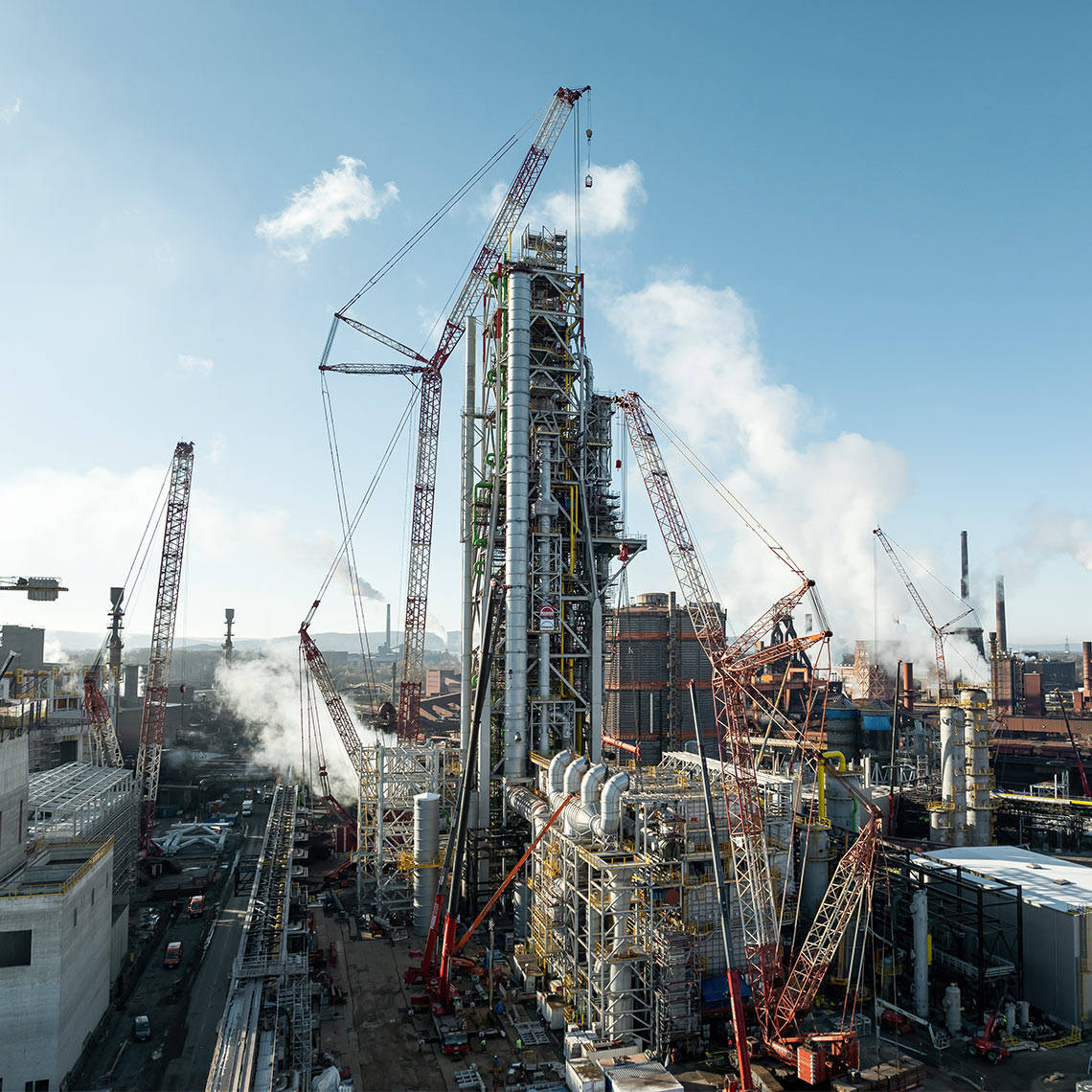


Since 2015, the Salzgitter Group, together with partners from industry and research, has been pursuing the path toward low-carbon steel production through its SALCOS® transformation program. The core of this program is the transition from coal-based steelmaking to hydrogen-powered direct reduction plants and the use of electricity from renewable energy sources.
The SALCOS® brand represents physically CO2-reduced steel products from the Salzgitter Group, backed by a clear product promise and transparent certification. It is the strong outcome of our vision to transform industry together with our customers and make a meaningful contribution to decarbonization.
Today, the Salzgitter Group already offers CO₂-reduced steel products produced via its electric arc furnace (EAF) route. Additional products from the SALCOS® program will follow from 2027 onwards.
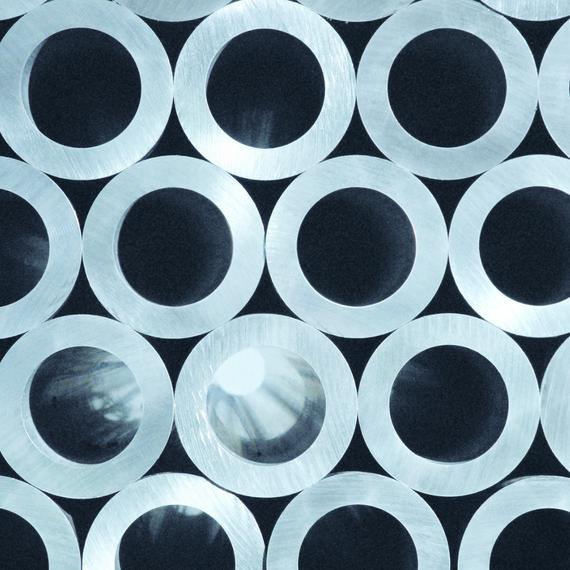
For the production of our cold drawn seamless precision steel tubes, we use starting material originating from different production routes. Seamless starting material produced via the conventional blast furnace route has a carbon footprint of approximately 2.1 tonnes of CO₂ per tonne of steel. For selected tube products, we use starting material whose production generates no more than 50% of the CO₂ emissions of this reference value. These tubes are designated with "OUR Sustainable Solutions" on a product-specific basis.
To quantify emission-related differences between individual tube solutions, product-specific Product Carbon Footprints (PCFs) are determined. These PCFs are calculated using a methodology certified by TÜV SÜD in accordance with DIN EN ISO 14067. The PCF values can be used by customers as a data basis for calculating product-related greenhouse gas emissions within their own supply chains.